
extra large silver mirror
The Utility and Versatility of Timber Fixed Brackets Timber fixed brackets have become an essential accessory in various construction and woodworking projects. As the name suggests, these brackets are made from timber—an attractive, sturdy, and sustainable material that lends itself well to a variety of applications. Whether in residential homes, commercial buildings, or crafting furniture, timber fixed brackets serve a vital purpose, offering both structural support and aesthetic appeal. Structural Support One of the primary functions of timber fixed brackets is to provide robust structural support. They can be used to reinforce joints, secure beams, or maintain the integrity of shelving units. In many cases, fixed brackets help distribute weight evenly, reducing stress on the connecting materials and prolonging the life of the structure. For example, when installing heavy shelves in a kitchen or garage, using timber fixed brackets can ensure that the shelves remain stable and secure, preventing potential accidents caused by falls. Timber is often favored for its natural strength and durability. Unlike metal alternatives, which can corrode or create a cold appearance, timber offers a warm, inviting look that blends seamlessly into a range of environments. This makes timber fixed brackets particularly popular in homes where aesthetic considerations are just as important as structural ones. Aesthetic Appeal Beyond their functional benefits, timber fixed brackets also enhance the visual charm of a space. Wood comes in various finishes, textures, and colors, allowing for customization that can complement any design scheme. Whether you're aiming for a rustic, modern, or contemporary look, timber fixed brackets can be tailored to enhance the overall decor. timber fixed bracket For example, reclaimed wood brackets can evoke a sense of history and tradition, ideal for cabin-style designs or vintage-themed spaces. In contrast, sleek, contemporary styles can be achieved with polished timber that fits modern minimalism. This versatility in design makes timber fixed brackets not just functional but also a key element in achieving desired aesthetics. Environmental Considerations In today’s world, the sustainability of materials is becoming increasingly relevant. Timber, when sourced responsibly, is an eco-friendly option. Many manufacturers now focus on using sustainably harvested wood, ensuring that their products minimize environmental impact. Clients seeking to build or renovate with eco-consciousness in mind will find that timber fixed brackets provide an excellent option. They not only contribute to a greener construction process but also fuse beautifully into environmentally-friendly designs. Ease of Installation Another advantage of timber fixed brackets is their ease of installation. Most DIY enthusiasts and professionals appreciate that these brackets can be installed quickly and do not require specialized tools or extensive technical knowledge. Basic screws and an electric drill are usually sufficient to secure the brackets in place, making it accessible even for those with limited carpentry experience. Conclusion Timber fixed brackets offer an impressive combination of strength, beauty, and sustainability. As both a functional and aesthetic element in design, they are an excellent choice for anyone looking to enhance their construction or DIY project. With the versatility to adapt to various styles and applications, coupled with the growing focus on environmentally-friendly materials, timber fixed brackets are a popular and smart choice for modern builders and craftsmen. They embody the perfect blend of tradition and innovation, firmly establishing their place in today's versatile toolkit. Whether you're constructing a new home, renovating an existing space, or simply trying to organize your garage, timber fixed brackets can help you achieve your goals with style and reliability.
about
extra large silver mirror
Understanding Butterfly Valve Seat Types Butterfly valves are widely used in various industrial applications for regulating flow. One of the critical components of butterfly valves is the seat. The seat provides the sealing surface between the valve body and the disc, ensuring that the valve performs its function of controlling flow effectively. Various types of butterfly valve seats exist, each designed for specific applications and operational needs. This article will explore the different types of butterfly valve seats, their materials, configurations, and their applications. Types of Butterfly Valve Seats 1. Soft Seated Valves Soft seated butterfly valves have a seat made from elastomers or soft materials like rubber or PTFE (Polytetrafluoroethylene). These materials provide an excellent sealing capability, making them ideal for applications where a complete seal is vital. Soft seats are typically used in water, gas, and lower-pressure systems. They can effectively handle moderate temperatures and pressures, making them suitable for many general-purpose applications. 2. Metal Seated Valves Metal seated butterfly valves utilize a hard seat, usually made from metal alloys, which enhances durability and resistance to wear. These seats are ideal for high-temperature and high-pressure applications, where soft seats may fail. Metal-seated valves are commonly used in the oil and gas, chemical processing, and power generation industries. They offer excellent longevity and resistance to abrasive materials, making them suitable for harsh operating environments. 3. Fire-Safe Seats Fire-safe butterfly valve seats are designed to maintain a seal even under extreme temperatures and in the event of a fire. These seats are typically made with additional materials that can withstand high temperatures, ensuring that the valve retains its functionality during a fire emergency. Fire-safe butterfly valves are critical in industries dealing with flammable substances, such as petrochemicals and pharmaceuticals, where safety is paramount. 4. High Performance Seats High-performance butterfly valve seats are engineered for applications requiring precise control and tight sealing. These seats often combine various materials, including metal and elastomers, to achieve optimal sealing performance across a broader range of temperatures and pressures. High-performance seats are ideal for industries such as water treatment, pulp and paper, and HVAC systems, where reliability and efficiency are essential. Material Considerations The material used for butterfly valve seats is crucial, as it affects the valve’s performance, lifespan, and suitability for specific applications . Here are some common materials used for butterfly valve seats - EPDM (Ethylene Propylene Diene Monomer) Commonly used for soft seating, EPDM offers good chemical resistance and is suitable for various applications, including water and steam. However, it may not be compatible with certain oils and fuels. butterfly valve seat types - Nitrile (Buna-N) This material is known for its excellent resistance to petroleum products and is commonly used in oil and gas applications. However, it has limitations in high-temperature conditions. - PTFE PTFE is a versatile material with outstanding chemical resistance and can withstand high temperatures. It's often used in applications involving aggressive chemicals. - Metal Alloys For metal seats, materials like stainless steel and alloy compositions are preferred. These metals provide excellent resistance to wear and high-temperature capability. Choosing the Right Seat When selecting the appropriate butterfly valve seat type, consider the following factors - Application Requirements Analyze the specific needs of your application, such as pressure, temperature, and the nature of the fluid being controlled. - Material Compatibility Ensure that the seat material is compatible with the media it will come into contact with. This is crucial for preventing degradation and ensuring the valve functions effectively over time. - Performance Expectations Decide whether a soft or metal seat is necessary based on performance requirements. Soft seats are typically adequate for standard applications, while metal seats are preferable for extreme conditions. Conclusion Understanding the different types of butterfly valve seats is essential for selecting the right valve for any application. Each seat type has unique characteristics that make it suitable for specific environments and operational needs. By considering factors such as material compatibility, application requirements, and expected performance, industries can choose the most effective butterfly valve solutions that enhance reliability, efficiency, and safety in their processes. As technology advances, new materials and designs may further improve the functionality of butterfly valves, making them even more integral to industrial operations.
-

High quality industrial productsagement

High quality industrial products
View Details -

Meet the diverse needs of customers

Meet the diverse needs of customers
View Details -

Strict quality control

Strict quality control
View Details -

Top raw materials

Top raw materials
View Details -

Trusted supplier

Trusted supplier
View Details
Our application
news and information
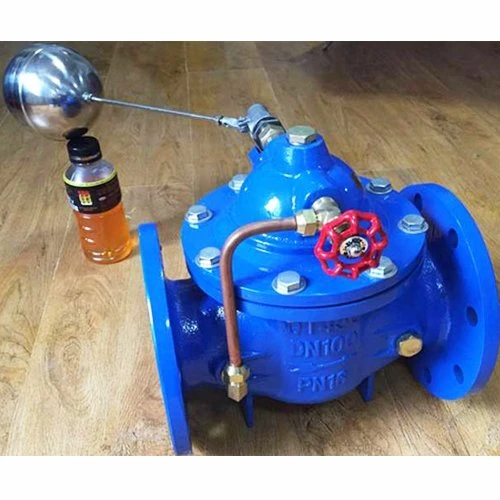
What Are the Three Types of Control Valves_
Control valves play a crucial role in various industrial processes, regulating the flow of fluids to

Various Types and Applications of Knife Gate Valves in Industrial Solutions
Types of Knife Gate Valves A Comprehensive Overview Knife gate valves are essential components in va
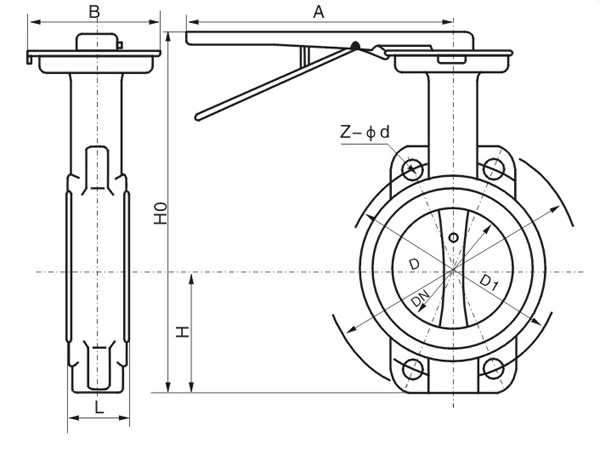
válvula de retenção de água unidirecional
Válvula de Retenção de Água Unidirecional Funcionamento e Aplicações As válvulas de retenção de água
 English